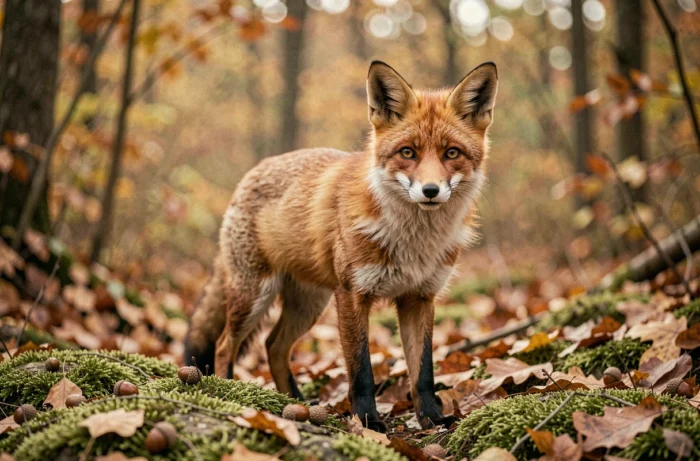
Among the millions of animal species recorded on the planet, which ones are subject to the strictest regulations, and how do recent scientific findings reshape our understanding of animal life? This overview aims to measure the gaps between domestic animals and wildlife, between recent European legislation and field practices, to better identify what distinguishes each category of the animal kingdom.
Traceability of Domestic Animals in Europe: What Regulation 2026/1818 Changes
The European Union adopted in 2026 the Regulation (EU) 2026/1818, the first text harmonizing community-wide standards for the breeding, sale, sheltering, and identification of dogs and cats. Before this text, each member country applied its own rules, creating major disparities in traceability.
The regulation provides for a gradual generalization of microchip identification for all dogs and cats, including those owned by individuals. National databases will need to become interoperable between member states, meaning that an animal identified in France will be traceable in Germany or Spain.
Deaths and changes of ownership will also need to be recorded, with differentiated deadlines depending on whether they involve professional operators, dog owners, or cat owners. This phased approach aims to give national administrations time to adapt.
For those who wish to deepen their knowledge about different species, animals on Animal Time offer detailed sheets covering both domestic mammals and wildlife.
Mammals, Insects, Migratory Birds: Comparative Table of Threats
The pressures on animals vary radically depending on the taxonomic group. The table below compares three major categories and the available data on their situation.
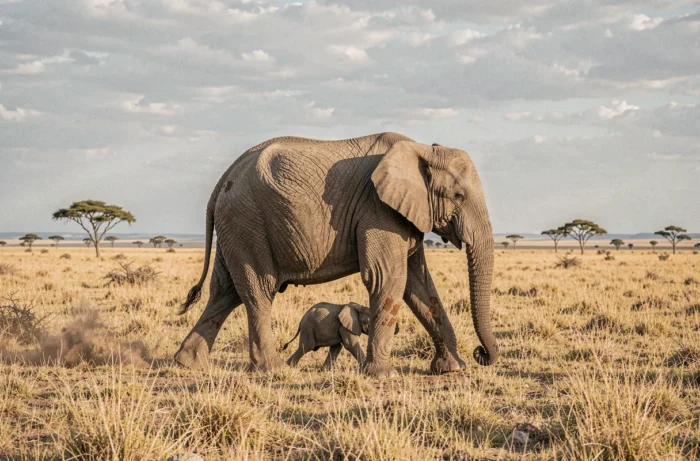
| Animal Group | Main Identified Threat | Regulatory Coverage in Europe | Recent Trend |
|---|---|---|---|
| Domestic Mammals (dogs, cats) | Trafficking, non-compliant breeding | Regulation (EU) 2026/1818 (traceability, welfare) | Legislative strengthening underway |
| Pollinating Insects | Pesticides, habitat loss | CAP and pesticide directives | Confirmed decline in several countries |
| Migratory Birds | Urbanization, climate change | Birds Directive (79/409/EEC revised) | Reported decline for several dozen species |
What stands out from this comparison is the gap between the legal protection of pets, now framed by a specific and binding text, and that of wild species, which still largely relies on old directives or voluntary commitments.
The Case of Migratory Birds
A recent global study has raised alarms about the decline of several dozen species of migratory birds. Urbanization alters migration corridors, and cities transform animal behaviors in sometimes unexpected ways. Researchers observe that some urban species develop behavioral traits absent in their rural counterparts.
Animal Welfare: Concrete Bans of the New European Framework
Regulation 2026/1818 is not limited to traceability. It introduces concrete bans that change breeding and holding practices throughout the European Union.
- The permanent chaining of dogs and cats is now prohibited, a measure that directly targets certain practices still widespread in several member states
- Minimum housing standards are set for shelters and breeding facilities, covering space, ventilation, and access to natural light
- Online sales of puppies and kittens are subject to strengthened rules, requiring the display of the animal’s identification number and the breeder’s contact information
These measures represent a turning point for domestic animals in Europe. In contrast, no equivalent text yet exists for new pets (reptiles, exotic rodents), which remain subject to a patchwork of national regulations.

Science and Animal Vocabulary: Learning Differently Through Nature
The study of animals far exceeds the regulatory framework. Zoology offers a rich learning ground for both children and adults, whether through reading, educational games, or direct observation.
The animal vocabulary in French contains specificities that few speakers master. The young wild boar is called a marcassin, while the young hare is referred to as a levraut. Knowing these terms enriches the understanding of the language as much as that of nature.
Insects and Citizen Science
Insects represent the most diverse animal group on the planet. Their observation requires no expensive equipment, making it an accessible subject of study. Several citizen science programs invite individuals to record the species present in their garden or neighborhood.
- Daytime butterflies serve as indicators of natural habitat quality
- Beetles account for more species than any other animal order
- Wild bees, often confused with domestic bees, actually encompass hundreds of distinct species in France
This type of activity transforms a simple walk into a scientific observation exercise and provides a concrete way to introduce children to life sciences.
The European Regulation 2026/1818 marks a turning point for pets, but wild biodiversity remains dependent on more fragmented measures. Migratory birds are declining, pollinating insects are facing increasing pressures, and domestic mammals are finally gaining access to a unified legal framework. The gap between these situations reminds us that animal protection progresses unevenly depending on the species concerned.