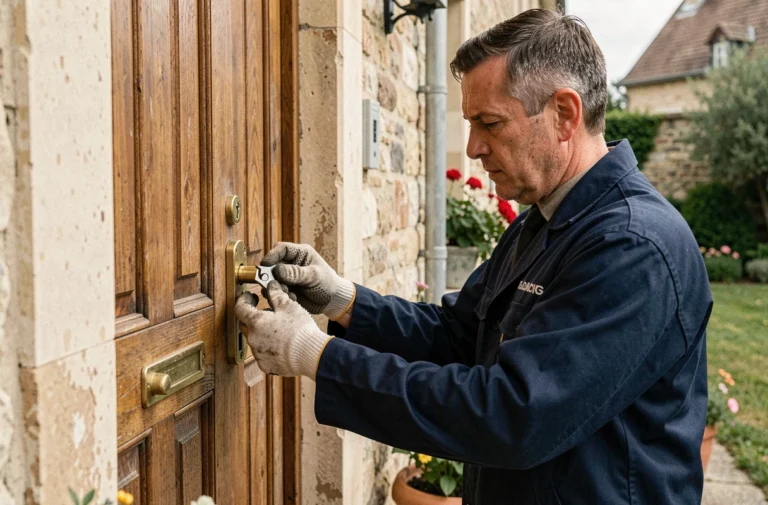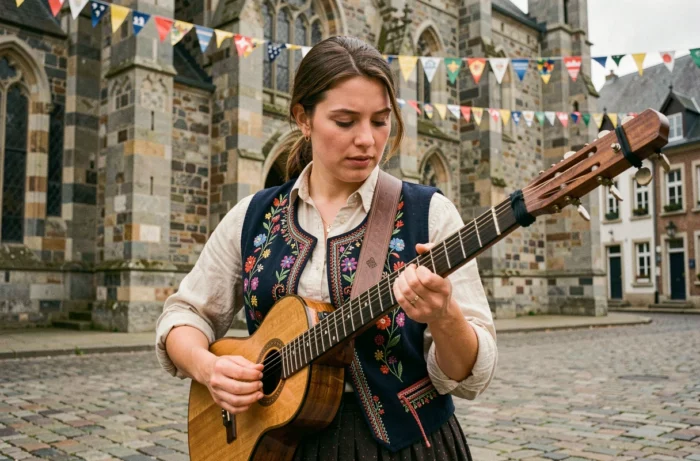
Brittany is approaching the 2026 school year from a unique position: while several French regions have cut their cultural budgets, sometimes even closing missions dedicated to live performance, Brittany has maintained the entirety of its cultural funding. This budgetary choice directly influences the regional programming, from festivals to the opening of new venues, and gives the Breton cultural season a density that the national context makes even more visible.
Cultural Budgets in Brittany: A Regional Exception in 2026
The contrast is worth noting. The summer of 2026 saw analyses highlighting the closure of the live performance hub of the Grand Est cultural agency as a case study of the budgetary restrictions affecting culture in France. In this landscape, Brittany stands out as a documented exception: it is the only region explicitly cited for having preserved all of its cultural funding.
This maintenance is not just symbolic. It translates into the ability of local structures to launch new seasons, support emerging festivals, and accompany the opening of venues. In Pontivy, the 2026-2027 cultural season was launched with well-known names on the bill, in music, humor, and dance. In Brest, the Mac Orlan is announcing around sixty shows for its upcoming season, described as a “beautiful alchemy” by its programmers.
To follow these programs throughout the year, you can check the news from Culture Bretagne, which aggregates announcements by department and discipline.
Breton Cultural Third Places: Openings That Change the Map
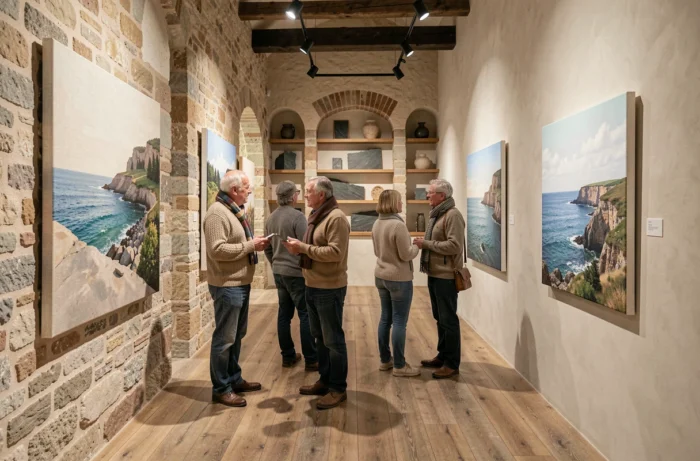
Classic tourist agendas list the major festivals. They often overlook a fundamental movement: the rise of cultural third places along the coast and in rural areas. Two recent openings illustrate this dynamic.
In Palais, on Belle-Île-en-Mer (Morbihan), the third place Propice is set to be inaugurated on October 17, 2026, after renovations that began in 2025. Its purpose is clearly cultural, open to both residents and visitors, in an area where the permanent offer remains limited outside the summer season.
In Tréguier (Côtes-d’Armor), a new associative venue managed by Cheap Cie celebrated its opening with three concert evenings in August 2026. The programming focuses on community engagement and local performances, far from the capacities of large events.
These initiatives share a common trait: they aim to anchor cultural activity year-round, not just during peak tourist times. Their medium-term viability will depend on public support and local attendance, two parameters where feedback from the field still varies by territory.
Festivals in Brittany in Autumn: Beyond Summer Appointments
The Breton festival season is not limited to summer. Several fall events deserve attention, especially as the trend towards decarbonization begins to modify formats.
- The À la Dérive festival in Gâvres (Morbihan) offers a rare angle: ecological boating, wooden constructions, sailing. The event combines performances, workshops, and reflection on a more carbon-neutral maritime practice.
- The Tardives in Lannion (Côtes-d’Armor) positions its 2026 edition at the end of summer with a program that extends the cultural season beyond the usual calendar of Breton festivals.
- The Mac Orlan season in Brest, which starts in autumn, covers a wide spectrum: theater, music, dance, with around sixty shows announced in the Brest region.
The Breton festival offering now spans nine months, from March to November, distinguishing it from regions where programming remains concentrated in June-August.
Breton Heritage and the Heritage Lottery: Selected Sites in 2026
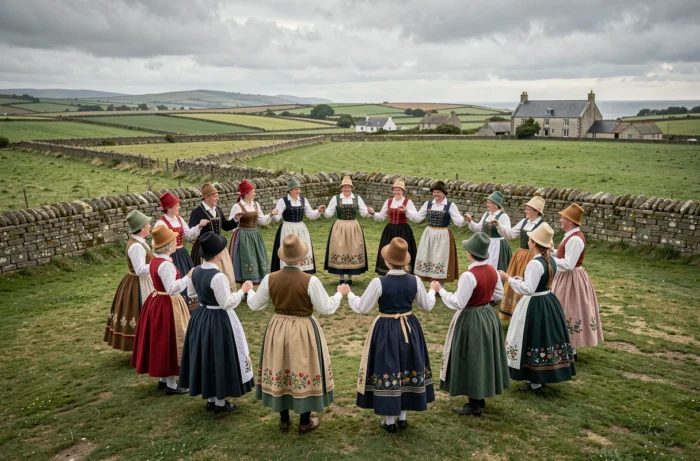
Each year, the Heritage Lottery selects endangered sites. In 2026, one project was chosen in each Breton department. This selection draws attention to buildings that are not included in usual tourist circuits and that will benefit from dedicated funding for their restoration.
The significance of these selections goes beyond pure heritage concerns. A restored site often becomes a venue for exhibitions or artistic residencies, enriching the local cultural network. The available data does not yet allow for measuring the real impact of these restorations on departmental cultural attendance, but each selected site generates media visibility that benefits the entire territory.
Exhibitions and Contemporary Art in Brittany: Seasons to Watch
Rennes, Saint-Malo, and the coastal towns concentrate a significant portion of the programming in art and exhibitions. The municipal cultural seasons, relaunched in the fall, offer varied formats: artist residencies, temporary exhibitions in castles and art centers, performances in public spaces.
The Breton particularity lies in the density of the associative network. Many exhibitions are carried out by independent structures rather than heavy institutions. This more agile model allows for reactive programming, but it also makes the calendar less readable for the public.
- In Rennes, contemporary art venues are increasing partnerships with resident artists, often from the Breton scene or neighboring Atlantic regions.
- The department’s castles host temporary exhibitions that intersect historical heritage and contemporary creation.
- Associative initiatives, like that of Cheap Cie in Tréguier, blur the line between concert hall and gallery.
The Breton associative network carries a major part of the artistic programming, distinguishing the region from areas where the offering relies more on national scenes or FRACs.
The 2026-2027 season in Brittany is shaping up with a cultural offering supported by regional budgetary choices, openings of venues in rural and coastal areas, and a gradual extension of the festival calendar into autumn. The main question remains the ability of the new third places to retain a local audience beyond the inauguration effect.